

Anchored by a quarterly arts journal and arts programs, Image is a lively community that gathers readers, writers, artists and art-appreciators in person and online.
Mission: Image fosters contemporary art and writing that grapple with the mystery of being human by curating, cultivating, convening, and celebrating work that explores religious faith and spiritual questions.
Vision: Image is animated by our vision to be a vibrant thread in the fabric of culture, contributing to mainstream literary and artistic communities by demonstrating the vitality of contemporary art and literature invigorated by religious faith.
The best way to get to know our work is to taste and see. Here are some recent highlights.
FICTION
Sarah Stone, Rising with the Seas
Andrew Krivak, Moth and Rust
Renee Simms, Assembly Line Prayer
Melanie Rae Thon, All Her Beautiful Children
NONFICTION
Lee Isaac Chung, Love Letters
Jamie Smith, The Way of the Critic
Robert Cording, In the Unwalled City
Emily Bernard, From the Stranger in Me...
Nate Klug, My Desert Saints
Chloe Garcia Roberts, Aparture
Parnaz Foroutan, Haji Gershin’s Hamam
Sara Zarr, This Contained Life
Anthony Domestico, The Wolf Hour
POETRY
Linda Gregerson, Not So Much an End as an Entangling
Rae Armantrout, Conversations
Jessica Jacobs, Godwrestling
B.H. Fairchild, My Mother, on Horseback, in a Blizzard
Bruce Bond, Augustine
Kim Garcia, Low Road to a High Place
Christian Detisch, Hospital Theodicy, Overnight Call
INTERVIEW
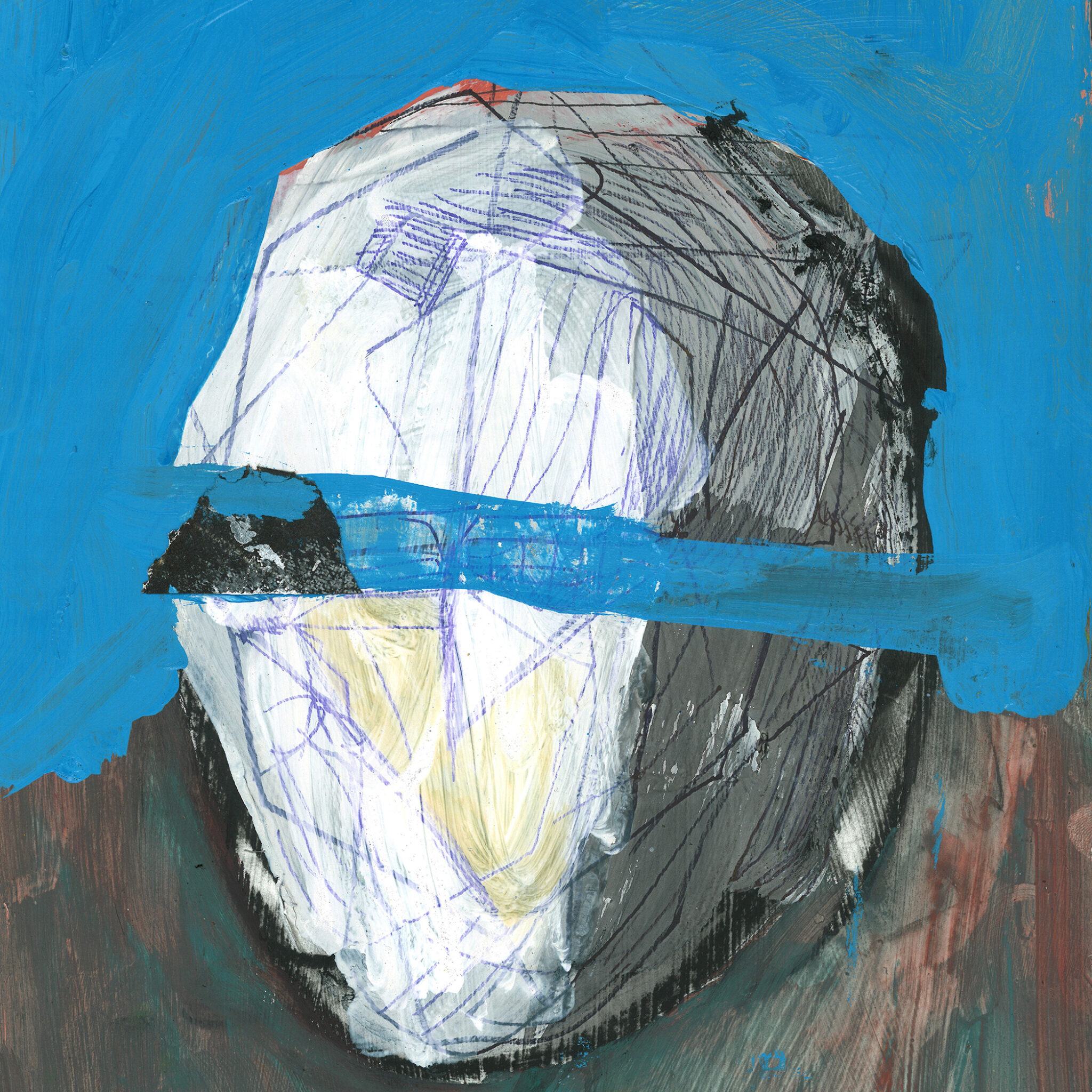
VISUAL ART
Askia Bilal, In the Studio
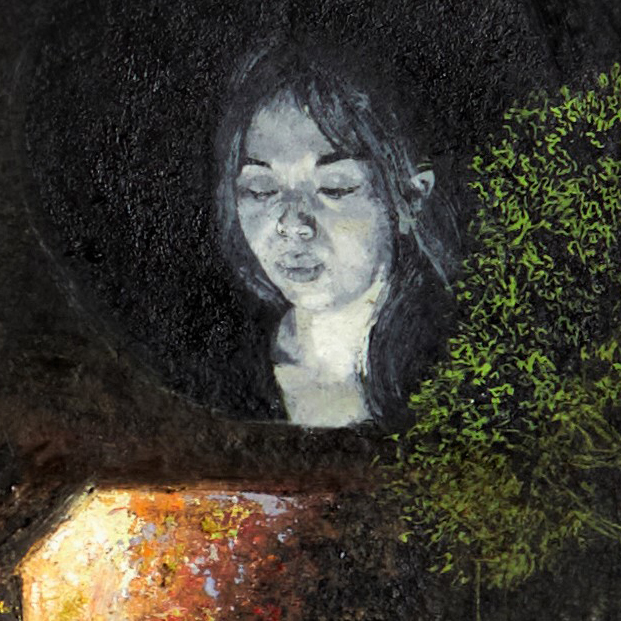
VISUAL ART
Duncan Simcoe, Fade to Black
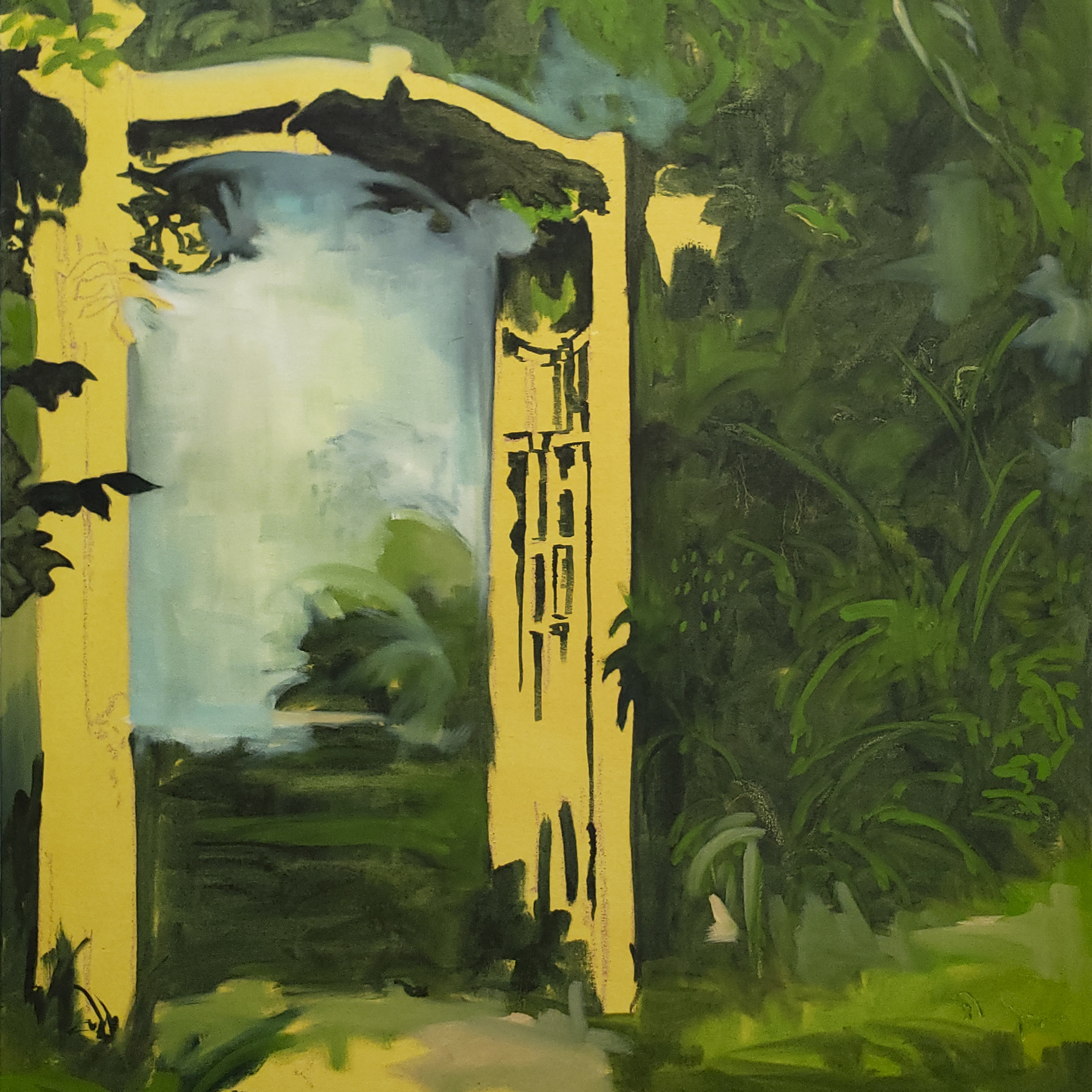
VISUAL ART
Emmanuel Osahor, In the Studio
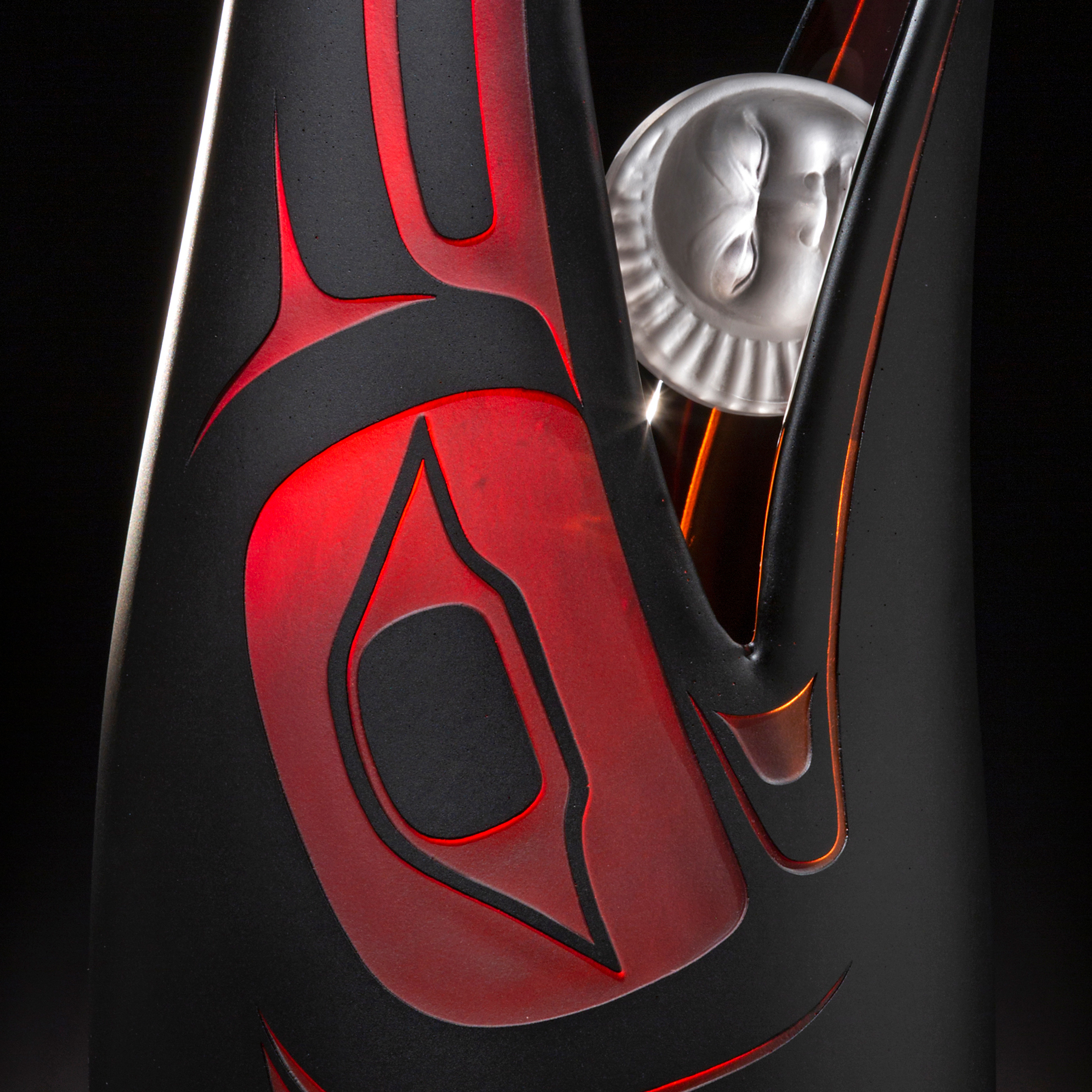
VISUAL ART
Preston Singletary, Shape-Shifter
Masthead
History